
The compact cassette, commonly known as the cassette tape, was invented by Lou Ottens and his team at the Dutch company Philips. It was introduced to the public at the Berlin Radio Show in August 1963. Initially designed for dictation and portable audio recording, the compact cassette quickly gained popularity due to its convenience and portability.
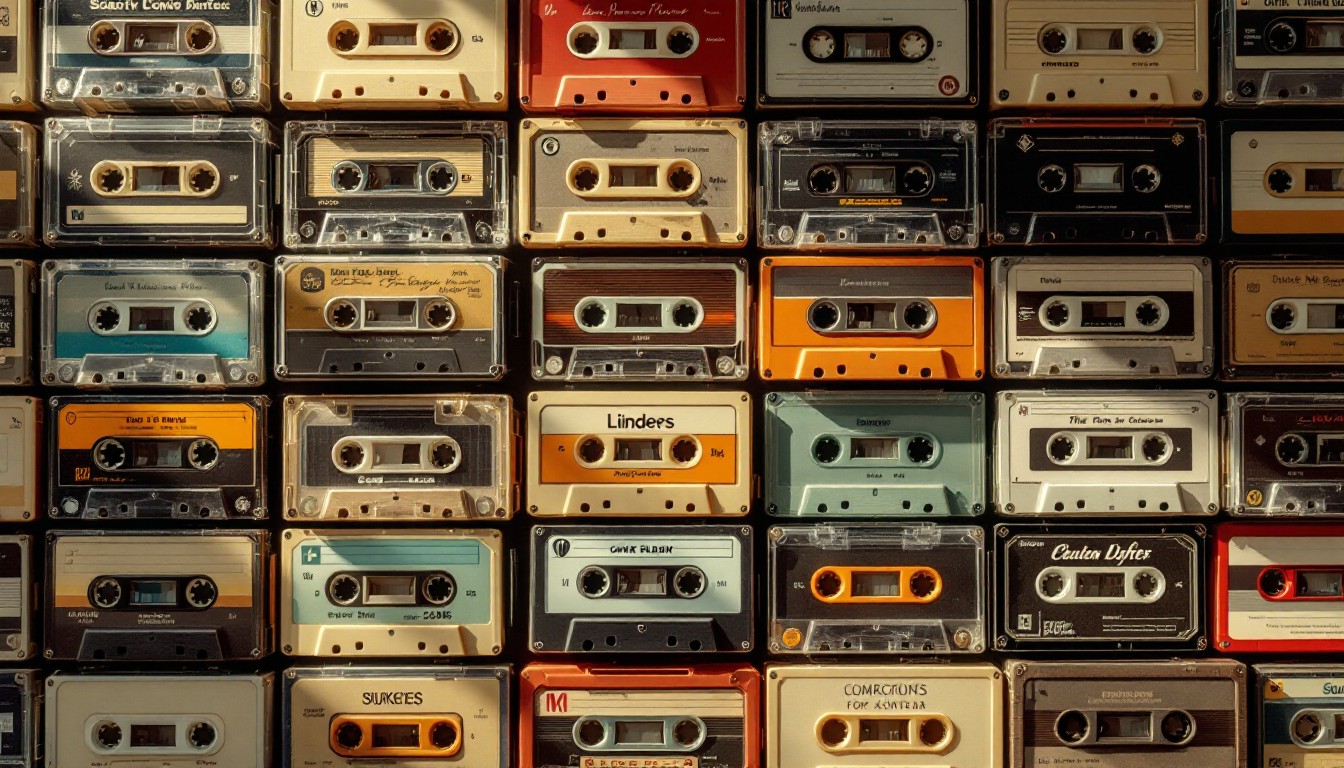
In the mid-1960s, prerecorded music cassettes, also known as Musicassettes, were introduced to the market. Philips' U.S. affiliate, Mercury Record Company, launched a line of Musicassettes in July 1966, offering 49 titles. This development marked a significant shift in the music industry, providing consumers with a portable and affordable alternative to vinyl records.
The 1970s saw advancements that improved the audio quality of cassette tapes, making them more suitable for music playback. In 1971, the Advent Corporation introduced the Model 201 tape deck, which combined Dolby B noise reduction with chromium dioxide (CrO₂) tape, enhancing sound fidelity. These innovations, along with the introduction of Sony's Walkman in 1979, solidified the cassette's position as a dominant music format throughout the 1980s.
Despite being largely supplanted by CDs in the 1990s and digital formats in the 2000s, cassette tapes have experienced a resurgence in recent years. Collectors and enthusiasts appreciate their nostalgic appeal and unique analog sound, leading to a renewed interest in this once-revolutionary format.
For a visual exploration of the cassette's history, you might find this video informative: