
When I first started getting serious about music I kept hearing the word mixtape everywhere. It sounded like something only career artists and hardcore fans fully understood. The more time I spent in the independent music world the more I realized a mixtape is actually one of the most honest formats an artist can use, and one of the most underrated.
So what actually is a mixtape? At its core it is a collection of songs released outside the traditional album process. No label pressure. No release rollout strategy. No perfectionism getting in the way of the actual music. A mixtape can include original songs, freestyles, remixes, demos, live versions, or anything else that has energy worth sharing. The point is expression, not polish.
Where Mixtapes Came From
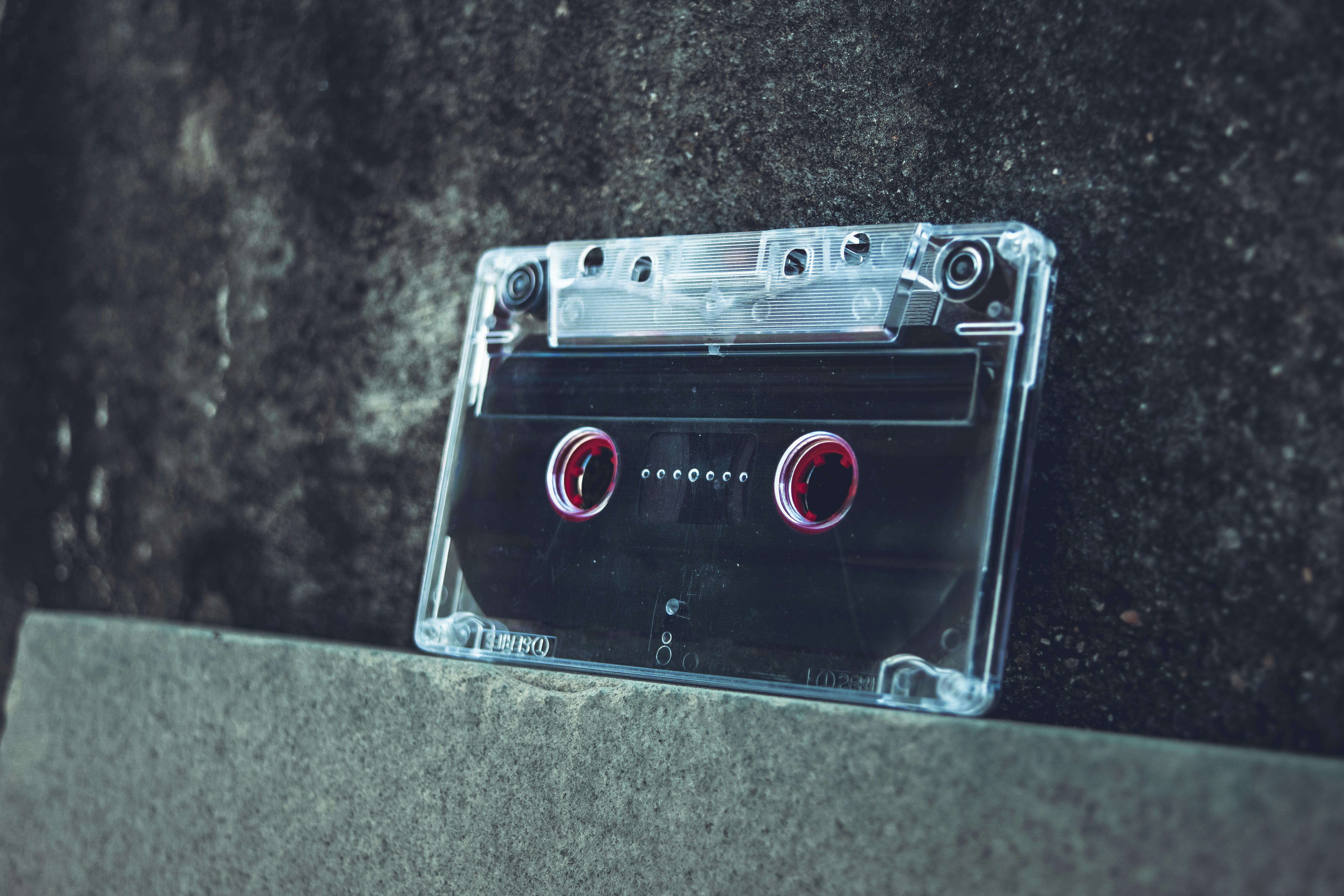
The original mixtape was literally a cassette. You recorded your favorite songs onto a tape and gave it to someone. Friends, people you were dating, anyone you wanted to share something with. It was personal and lo-fi and completely outside any commercial system.
In hip-hop the format took on a bigger meaning fast. Up and coming artists in the 80s and 90s started using mixtapes as a way to build a fanbase without needing a label to back them. You made something, you got it into people's hands, and if it was good the word spread. It was pure hustle and it worked. Artists built entire careers off the momentum of a well-circulated mixtape before they ever signed anything.
That spirit did not go away when cassettes did. It just moved online.
What Mixtapes Look Like Now
Today a mixtape gets dropped on SoundCloud, Bandcamp, YouTube, or any platform that lets you put music in front of people quickly and without a lot of infrastructure. Some artists use them to test new sounds before committing to a full record. Some use them to release material that does not fit neatly into their main catalog but deserves to exist somewhere. Some use them as a direct line to their most engaged listeners, the people who want to hear the rough edges alongside the finished product.
That last part is what I find most compelling about the format. A mixtape is a snapshot of where you are right now as an artist. Not where you were when you finished a polished studio album six months ago. Right now, in this moment, working through these ideas. There is an immediacy to that which a proper album release rarely captures.
Why I Still Believe in the Format
I am working on mixtape-style projects right now, material that includes demos, alternate versions, and ideas that are not necessarily headed for the next official Tony Oso record but have too much life in them to just sit on a hard drive. Songs like these often come out of late night recording sessions where I am not trying to make something finished, I am just following an idea wherever it goes. Sometimes those ideas are more interesting than anything that makes it onto the polished release.
The relationship between a mixtape and your audience is also different from a standard release. When someone listens to a demo or an alternate version of a song they already know, they are getting access to the process, not just the result. That builds a different kind of connection than putting out a clean, mastered, press-ready single. It feels more like a conversation.
For anyone who loves music that feels alive and in the moment, mixtapes are where you find that. And for any independent artist sitting on a collection of songs that do not fit neatly into one project, my honest advice is to just put them out. There are no rules. There is no format police. If the music has a heartbeat it deserves to be heard.
Stay Tuned
When my next mixtape-style project drops you will hear a side of the Tony Oso catalog that has not been on any official release. Raw versions, different directions, ideas still in motion. If you want to be the first to know, check tonyosomusic.com/music and follow along from there.
In the meantime the main catalog is there waiting. Start with Tears if you want to understand what the emotional core of what I make sounds like, or Mistakes if you want to hear where the progressive and alternative sides of my writing meet.