
As an indie artist making visuals on a real budget, here's how I actually decide between a visualizer and a music video and why most artists should be using both.
Every artist eventually hits this question. You have a song ready to release and you need visuals to go with it. Do you make a music video or a visualizer? The answer matters more than most people think, and it is not always the obvious one.
I am Tony Oso, an indie rock artist out of Melbourne, Florida. I have been releasing music independently and navigating this exact decision for every song I put out. Here is how I actually think about it.
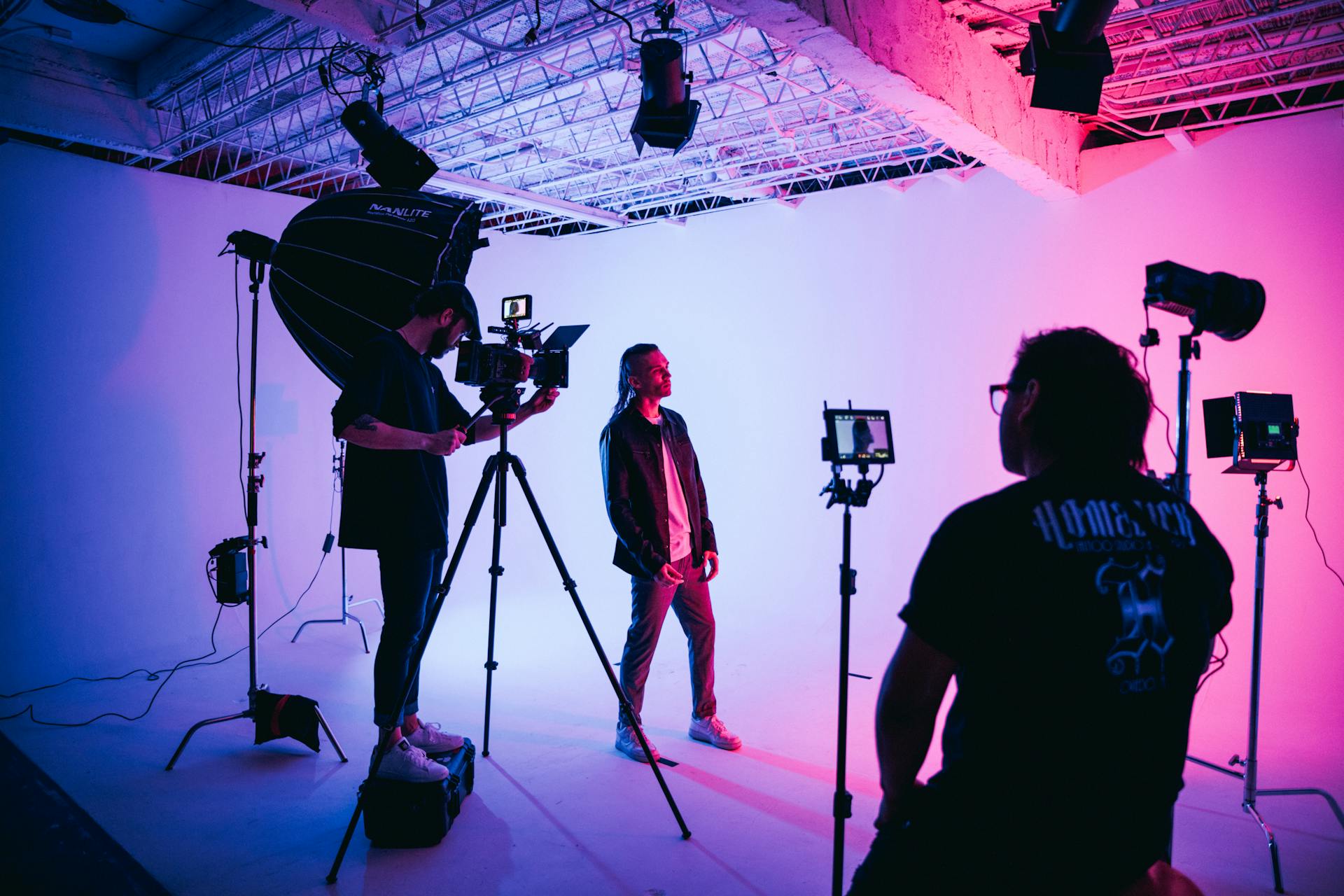
What a Music Video Is
A music video is a full visual production built around a song. It tells a story, creates a world, or puts you as the artist in front of the camera in a way that gives the song a face and a narrative. The good ones make you see the song differently every time you watch them.
The production requirements are real. You are talking about a director, a location or set, lighting, camera work, editing, color grading, and depending on how ambitious the concept is, actors or extras, wardrobe, and props. The timeline from concept to finished product is measured in weeks, sometimes months. The budget can range from a few hundred dollars if you keep it scrappy to tens of thousands if you go full production.
What you get for that investment is something that lives. A great music video becomes part of the song's identity. People share it, reference it, come back to it. It gives press and blogs something to write about beyond just the audio. For a single you are betting on, a music video is how you make the biggest possible case for the song.
I am currently in the middle of developing the full music video for My Body My Choice. That song is personal to me in a way that demands the visual treatment be right. It is about autonomy, about pushing back against pressure, about standing firm when the people around you are folding. The story I want to tell with the video has to carry that weight. You cannot do that with a looping graphic.
This is an example of a music video I did for Welcome to the New Frontier:
What a Visualizer Is
A visualizer is a lower-production visual format synced to your track. It is not trying to tell a story. It is giving the listener something to look at while the song plays, keeping the audio in a visual context on YouTube or streaming platforms where a static image does not cut it.
Visualizers come in a few different forms. Abstract animated graphics that react to the beat or waveform. Slow pans over album artwork or photography. Lyric animations. Minimalist video loops with performance footage. None of these require a full crew or a production budget. Some of the best ones are made with a laptop and a good eye for design.
The tradeoff is that a visualizer does not give you a story. It supports the music without adding to it. That is not a criticism. That is literally what it is designed to do.
This is the visualizer I put together for My Body My Choice.
How to Actually Decide
The question is not which format is better. They do different jobs. The question is what job you need done right now.
If you are releasing a song that represents a significant moment in your artist development, a song with a concept that lends itself to visuals, or a single you are genuinely pushing as a major release, make the music video. Do it right. Give it the time and resources it needs. The ROI on a well-made music video for the right song is hard to match with anything else in your marketing toolkit.
If you are releasing content between major singles, dropping an album cut that is not a lead track, or working within tight budget constraints, a visualizer keeps you visible without draining resources you need elsewhere. It also lets you release consistently, which matters for staying active on YouTube and keeping your audience engaged between bigger moments.
The move a lot of independent artists make, and one I think makes a lot of sense, is using both strategically. Drop a visualizer on release day to give the song a home on YouTube immediately. Build out the full music video over the following weeks or months and release it as a second moment for the song. Now you have two pieces of content from one track and two separate opportunities to get the song in front of new listeners.
What Most Artists Get Wrong
The biggest mistake I see is treating the visualizer as a fallback for not being ready to make a real video, rather than as a deliberate content choice. If you put out a visualizer because you ran out of time and budget, it usually shows. The concept is thin, the execution feels rushed, and it does not do much for the song.
A visualizer made with intention is a different thing entirely. You think about what imagery actually connects to the track emotionally, what aesthetic matches the song's energy, and what the viewer should feel when they watch it. That intentionality is the difference between a visualizer that builds your brand and one that just fills a slot.
The same principle applies to music videos. A cheap music video that looks unplanned can actually hurt a song's perception. Sometimes a well-executed visualizer is the stronger choice because it does not try to do more than it can actually pull off.
The Bottom Line
For songs with real visual potential and a concept worth developing, make the music video. For consistent content, supplemental releases, and budget-conscious moments, make the visualizer. Ideally, do both for your lead singles and build the habit of always having something visual to go with your audio.
If you want to see what this looks like in practice, my music and visuals are at tonyosomusic.com/music. The My Body My Choice music video is in development and will be the most ambitious visual project I have done. When it drops, you will see exactly what I mean about saving the full production for the songs that earn it.