
Reggae rock makes perfect sense in Florida. The climate, the culture, the Caribbean influence. Here's the genre, the Florida bands worth knowing, and how two of my songs live in this space.
Reggae rock makes intuitive sense in Florida in a way it does not quite make sense anywhere else in the continental United States. The climate is part of it. The Caribbean cultural influence is part of it. The tourism economy that keeps live music running year-round is part of it. But mostly it is that the combination of reggae's laid-back groove and rock's forward momentum maps onto something specific about how life moves here in a way that resonates with both the people who grew up in this state and the people who come here to find something they were not getting at home.
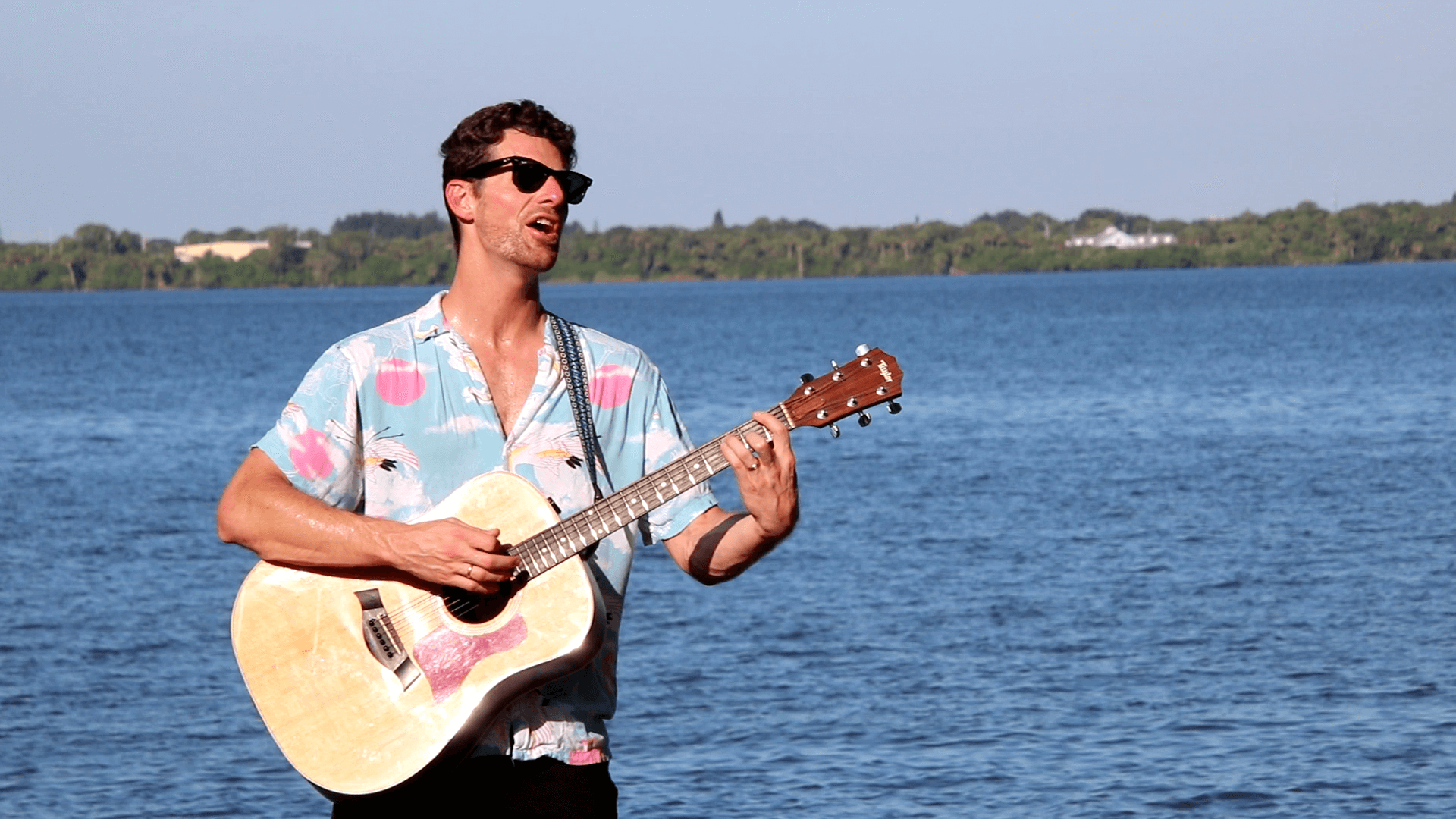
I am Tony Oso, an indie rock and alternative rock artist from Melbourne, Florida. Two songs in my catalog, You're No Good Anymore and Tucked Away, both draw from the reggae rock tradition in distinct ways and I want to explain both of them specifically. But first the genre itself deserves a proper account.
What Reggae Rock Actually Is
Reggae rock is the fusion of reggae's rhythmic foundation with rock's energy and attitude. Reggae came out of Jamaica in the late 1960s, evolving from ska and rocksteady into something slower and more groove-centered, built around a specific rhythmic feel where the bass and drums carry the weight and the guitar plays an offbeat chop rather than a driving rhythm. That rhythmic vocabulary, the way reggae moves rather than pushes, is what defines the genre and what makes it immediately identifiable when it shows up inside a rock context.
Sublime are the band that most people use as their reference point for reggae rock and that is accurate but incomplete. What Bradley Nowell and the band did was demonstrate that you could move between punk, ska, reggae, and hip-hop within a single song without the transitions feeling forced, because the emotional content was consistent even when the sonic surface changed. That fluidity became the template that a generation of bands followed.
311 brought a more polished and radio-friendly version of the fusion. Slightly Stoopid have maintained it as a genuine artistic practice rather than a commercial formula for decades. Pepper and Rebelution represent different poles of how the genre can sound in its more contemporary incarnations.
The genre draws its energy from rock and its feel from reggae and the relationship between those two elements is what creates the specific emotional texture that reggae rock occupies: laid-back but not passive, heavy but not aggressive, danceable but not shallow.
Why Florida and Reggae Rock Make Sense Together
Florida's connection to reggae rock runs deeper than geography. The Caribbean diaspora, particularly the Jamaican and Haitian communities concentrated in South Florida and spreading through Orlando, Tampa, and up the coasts, brought the rhythmic and cultural foundations of reggae into the state's musical ecosystem decades before the genre fusion became a named category. The sounds of reggae, ska, and calypso were part of the sonic landscape in Florida in ways they were not in most other American states.
Add to that the tourism economy I have written about elsewhere, the year-round outdoor performance culture, the beach town venue circuit that runs from the Keys up through the Space Coast and into the Panhandle, and you have a live music environment that is naturally hospitable to a genre built around open air, warm weather, and an audience that wants to feel good without being told to feel good.
Florida reggae rock has its own regional character. The ska punk influence from the Florida scene of the 1990s, the Latin and Caribbean rhythmic vocabulary in South Florida, the beach town vibe of the Space Coast, and the agricultural interior's connection to roots music all contribute to a sound that is related to California reggae rock but not identical to it.
The Florida Bands Worth Knowing
The Supervillains from Orlando have been one of the most consistent forces in Florida reggae rock for years, combining genuine musicianship with a live energy that translates well to the outdoor festival and beach venue circuit where the genre thrives.
The Movement have built a national following from their Florida base, producing reggae rock with a depth of songwriting that holds up outside the live performance context.
Sowflo bring a harder rock edge to the genre than most Florida bands, sitting closer to the punk and alternative side of the reggae rock spectrum.
Tribal Seeds, while based in San Diego, have a significant Florida following and their productions demonstrate what the genre sounds like when it is approaching a more sophisticated studio sound without losing the groove.
The Cocoa Beach Reggae Fest near my home base on the Space Coast, Suwannee Hulaween, and Reggae Rise Up in St. Petersburg are the Florida festivals where the scene gathers and where you can hear the range of what the genre is doing right now across a single weekend.
You're No Good Anymore
You're No Good Anymore came from a specific experience of recognizing betrayal clearly and without ambiguity, the moment when you stop making excuses for someone's behavior and see it for what it actually is. The title says everything the song needs to say and the reggae rock framework is what allows the emotional content to be delivered without the heaviness that pure rock would bring to the same subject matter.
The reggae rhythm underneath the song keeps it moving forward rather than sitting in the pain. That is the specific emotional utility of reggae as a rhythmic foundation in this kind of song. The groove creates distance between the feeling and the expression of it, which paradoxically makes the expression more honest. You are saying something hard but the music is not collapsing under the weight of it. There is a defiance in that combination, in a laid-back groove delivering a direct emotional verdict, that captures something true about how it actually feels to arrive at that kind of clarity.
The syncopated guitar work and the driving rock elements give the song its intensity while the reggae foundation keeps it from becoming purely aggressive. That balance is what the genre does and what I was consciously working toward in that song.
Tucked Away
Tucked Away is the song I wrote about choosing to stay small, about hiding what you actually have to offer because putting it out in the world feels riskier than keeping it contained. The title is the whole story. You tuck yourself away and convince yourself that is reasonable and safe when really it is just fear dressed up as pragmatism.
The ska punk energy in Tucked Away, which connects to the ska punk tradition I have written about elsewhere, shares significant DNA with reggae rock through the offbeat rhythmic approach and the Caribbean-influenced feel. Where You're No Good Anymore uses a slower reggae groove to create emotional distance and clarity, Tucked Away uses the faster ska-inflected energy of the reggae rock spectrum to capture the restlessness of staying contained. The tempo reflects the anxiety underneath the stillness. You are sitting still and the music is moving fast because the decision to stay hidden takes more energy than most people acknowledge.
Both songs are on my site at tonyosomusic.com/music. You're No Good Anymore and Tucked Away are different enough in feel and tempo that they demonstrate the range of what reggae rock's rhythmic vocabulary can carry emotionally.
The Genre Today
Reggae rock is not a nostalgia genre. The live performance circuit that the genre depends on, the outdoor venues, the beach festivals, the summer touring economy, is healthy enough that new bands keep developing and established ones keep finding audiences. The digital distribution infrastructure means that Florida reggae rock acts can reach fans in landlocked states and in other countries without needing a major label's backing.
The genre continues absorbing influences from hip-hop production, electronic music, and the harder end of punk and rock. That absorption is consistent with how reggae rock has always operated, taking in new elements without losing the rhythmic foundation that makes it identifiable. As long as that foundation stays intact the genre will keep producing music worth hearing.
If you are new to reggae rock start with Sublime's self-titled album and 40oz. to Freedom. Then find a Slightly Stoopid live recording. Then come to a Florida show if you can manage it. The genre is at its best in the environment that produced it.