
Streaming pays fractions of a cent. One TV placement can pay thousands and introduce your music to millions. Here is how to get there without a label.
Let me tell you what sync licensing actually is before I tell you how to get there, because most musicians have a vague idea that it exists and a vaguer idea of what it involves.
Sync licensing is the process of pairing your music with visual media. A TV show. A film. A commercial. A video game. A YouTube channel. A documentary. When a music supervisor chooses your song to accompany a scene and licenses the right to use it, that is a sync placement. You get paid an upfront fee called a sync fee, and if the content airs publicly, you collect performance royalties through your performing rights organization every time it plays.
One placement on a mid-level cable drama can generate more revenue than a year of streaming for most independent artists. A placement on a major network show or a streaming platform original can generate significantly more. And the promotional value, the number of new listeners who seek out an artist after hearing their song in a show they love, can be career-changing.
Kate Bush's "Running Up That Hill" hit number one globally after its placement on Stranger Things, decades after its original release. That is an extreme example but it illustrates what sync can do for music discovery in a way that nothing in the streaming economy comes close to matching.
This is the income stream most independent artists overlook. Here is how to actually pursue it.
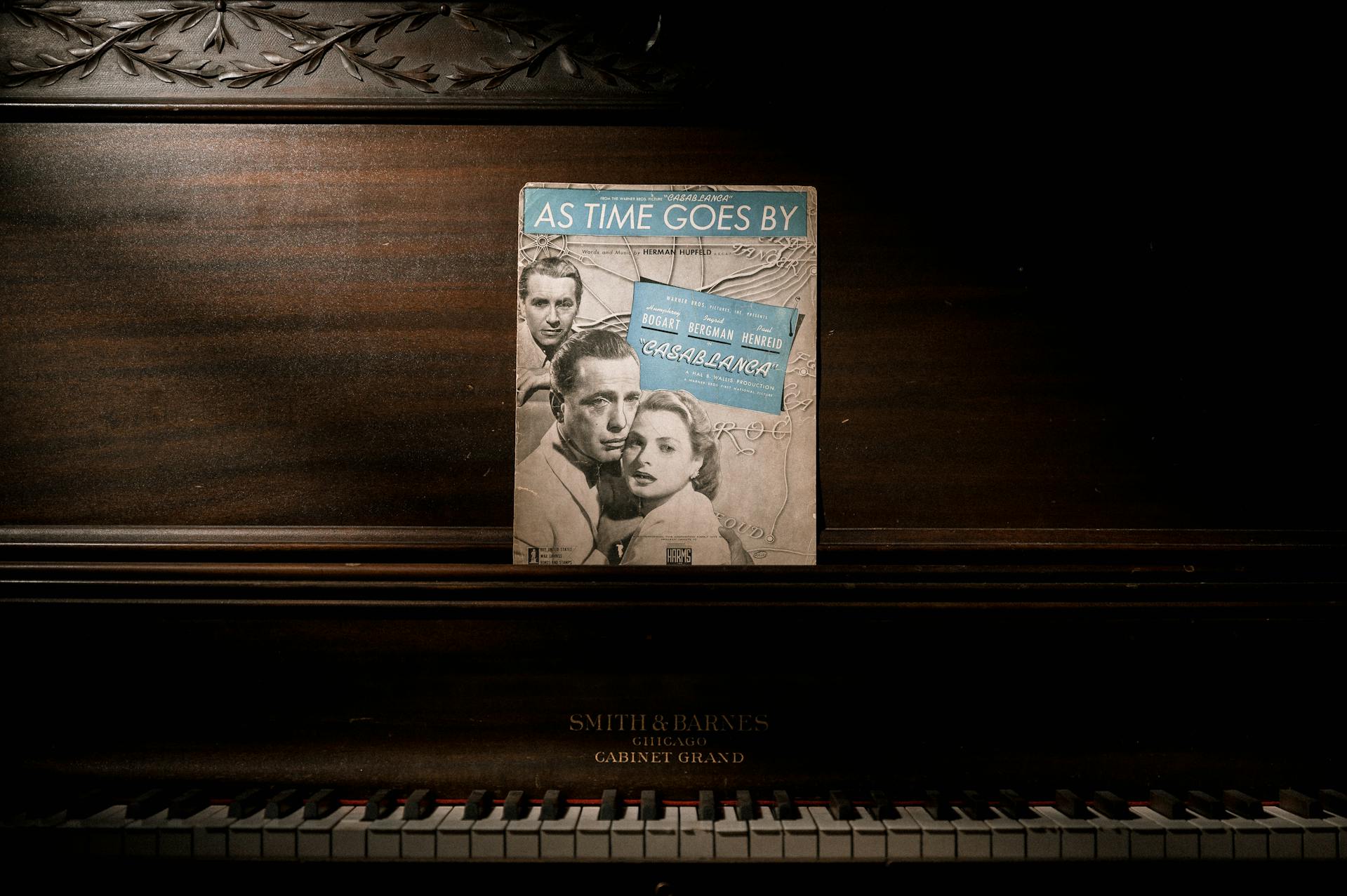
STEP ONE: GET YOUR RIGHTS IN ORDER BEFORE ANYTHING ELSE
This is the step most independent artists skip because it feels administrative and not creative. It is the step that determines whether any of the rest of this is possible.
Every song has two copyrights. The composition copyright, which covers the melody and lyrics, and the master recording copyright, which covers the specific recorded version of the song. When a music supervisor licenses a song for a TV show or film they need to clear both. This is called a sync license for the composition and a master license for the recording.
As an independent artist who writes and records your own music, you typically own both copyrights. That is an advantage. Clearing two rights from two different owners, which is common with major label artists, is significantly more complicated and expensive than clearing both from a single owner. Your independence is a selling point in sync licensing, not a liability.
Register your compositions with a performing rights organization. In the United States your options are ASCAP, BMI, and SESAC. Pick one, register your songs, and make sure the ownership information is accurate. When your music plays publicly after a sync placement, your PRO tracks those performances and pays you performance royalties. Without PRO registration you are leaving money on the table every time your music airs.
Make sure your copyright registrations are current. The U.S. Copyright Office allows you to register works online. It is not strictly required for your rights to exist, your copyright exists from the moment you create the work, but registration creates a legal record and is necessary if you ever need to pursue infringement.
STEP TWO: PREPARE YOUR MUSIC FOR THE SYNC MARKET
Music supervisors are working under deadline pressure with hundreds of options. The easier you make it for them to find, evaluate, and clear your music, the better your chances.
Metadata is the foundation. Every audio file you submit to a sync platform or pitch directly to a supervisor should contain accurate, complete metadata embedded in the file itself. Artist name, song title, ISRC code, BPM, key, genre, mood keywords, and your contact information. If someone discovers your track in a library search and the metadata is incomplete, the trail goes cold. Good metadata is invisible when it works and a deal-killer when it doesn't.
Create instrumental versions of every song you want to pitch for sync. Dialogue in a scene often needs to sit on top of the music without fighting with vocals. Many supervisors will specifically request an instrumental. If you don't have one ready you are immediately disqualified from a large percentage of opportunities.
Think about your catalog in terms of mood and context rather than just genre. A supervisor searching a library is often looking for something specific to a scene. Uplifting but not saccharine. Melancholic but not slow. Tense but not aggressive. Knowing how to describe your music in those emotional terms, and tagging it accordingly in any platform you submit to, is how your tracks surface in searches that would otherwise miss them.
The Tony Oso catalog has some natural sync strengths. Songs like "Going Down" with a clear emotional narrative and a specific dramatic arc translate well to scenes that need musical storytelling. "Free" has the kind of forward momentum and energy that works for montages, trailers, and transitions. Know what your songs are good at and position them accordingly.
STEP THREE: REGISTER WITH SYNC LICENSING PLATFORMS
This is where most independent artists should start because it creates passive opportunity without requiring ongoing pitching effort.
Musicbed is one of the most respected platforms for independent artists seeking premium sync placements. Their catalog is curated for quality and their client list includes major brands and streaming productions. Getting accepted to Musicbed takes a submission and a review process, but once you are in your music is available to filmmakers, advertising agencies, and content creators who are actively looking for tracks like yours.
Artlist operates on a subscription model that gives clients unlimited licensing for a flat annual fee. They have built a significant catalog of independent artists and their reach into the content creator market, particularly YouTube and social media video production, is substantial. Volume tends to be higher on Artlist than on premium platforms like Musicbed, with individual fees being smaller.
Pond5 is a marketplace model with a massive user base. Anyone can submit music and clients license directly. The trade-off is that the library is enormous and not heavily curated, so standing out requires excellent metadata, good cover presentation, and some patience. The volume of transactions on Pond5 means steady if modest income for artists who invest the time in presenting their work well.
Epidemic Sound and Artgrid cater specifically to content creators and are worth investigating if your music suits that market.
For film and television at a higher level, Taxi is a pitch service that connects artists directly with industry opportunities. They charge a membership fee and you pitch specific briefs as they come in. The listings are real and the opportunities are legitimate, but the acceptance rate is competitive and you need to be honest with yourself about whether your recordings meet professional broadcast standards before investing.
STEP FOUR: UNDERSTAND WHAT MUSIC SUPERVISORS ACTUALLY WANT
This is where most sync advice falls short because it focuses on the platform mechanics without addressing the human being making the decision.
Music supervisors are not searching for the most talented artist or the best song in the abstract. They are solving a specific problem. They have a scene with specific emotional requirements, a specific tempo need, a specific lyrical or instrumental requirement, and often a specific budget constraint. Your job is to make your music easy to match to those requirements.
High production quality is non-negotiable at the professional level. A well-written song recorded in a bedroom on a mediocre interface through inadequate monitoring will not clear a network drama regardless of how good the songwriting is. The recording has to sound like it belongs in the same world as the content it will accompany. This is where the investment in your recording setup pays dividends beyond your own releases.
Lyrical content can be a limitation or an advantage depending on the placement. Songs with very specific, narrative-driven lyrics are harder to place because they can overpower or contradict the scene they're paired with. Songs with more universal emotional language give supervisors more flexibility. That said, some of the most memorable sync moments in television history have come from very specific songs placed in very specific scenes where the particularity was exactly the point. Know which of your songs falls into which category.
Avoid samples. Any song that contains an uncleared sample is essentially unlicensable for professional sync. If your recordings contain any sample, from a record, from a film, from anywhere, you need either cleared rights or a version of the song that doesn't contain the sample before you can pitch it for sync.
Clear song structure helps. Supervisors often need music that works at different lengths, starting cold, fading under dialogue, cutting at a specific moment. Songs with recognizable verse-chorus structures, clear dynamics between sections, and strong moments of entry and exit are easier to work with than abstract or continuously building tracks.
STEP FIVE: PITCH DIRECTLY WHEN YOU CAN
Passive placement through libraries is where you start. Direct pitching is where the bigger opportunities live.
Music supervisors have public contact information more often than you might expect. IMDB Pro lists credits for supervisors working on current productions. Music supervision companies maintain websites and sometimes accept submissions. Film festivals, particularly independent film festivals, are accessible places where filmmakers who need music for their projects are actively looking for it.
When you pitch directly the approach matters as much as the music. Keep the pitch short and specific. Tell the supervisor which of your songs you think fits their project and why. Provide a streaming link and a download link for the instrumental and vocal versions. Include your PRO affiliation, publishing contact, and a statement that you own both the master and composition rights. Make it easy to say yes.
Do not pitch everything in your catalog at once. Pick the two or three tracks that best fit the specific project you are pitching for, explain why, and stop there. A targeted pitch that demonstrates you understand what the supervisor needs is infinitely more effective than a bulk email with every song you have ever recorded.
Follow up once. If you don't hear back after a week or two, a single brief follow-up is appropriate. Beyond that, move on and pitch elsewhere. Music supervisors receive hundreds of pitches and the ones that follow up repeatedly burn the relationship before it starts.
THE REALISTIC PICTURE
Sync licensing is not a fast income stream. Building a presence in the sync world takes time, persistence, and a catalog deep enough that you have the right song for a variety of briefs. Most independent artists see their first meaningful sync income somewhere between six months and two years after starting to pursue it seriously.
What makes the effort worth it, beyond the income, is what sync does for your music's reach. Every placement is an introduction to an audience that didn't know you existed. If the placement is in something people watch and talk about, the downstream effect on streaming, social following, and direct sales can be significant and lasting.
I am pursuing sync placement for the Tony Oso catalog because the music is built for it. Emotional, direct, well-produced, with clear narrative arcs that work in visual contexts. If you are listening to my music and you work in film, television, advertising, or content production, my contact information is on the site. Let's talk.
Tony Oso
Stream Tony Oso at tonyosomusic.com/music
Subscribe at tonyosomusic.com to stay in the loop on new music, new posts, and what happens when an independent artist with a catalog worth licensing keeps pushing.