
When it comes to recording and live sound, one of the biggest decisions you’ll face is choosing between dynamic and condenser microphones. Each type has its strengths, weaknesses, and best-use cases, making it essential to understand their differences before making a purchase. Whether you're a musician, podcaster, or audio engineer, selecting the right microphone can dramatically impact your sound quality. In this guide, we’ll dive into the key characteristics, advantages, and practical applications of both dynamic and condenser microphones.

Understanding Dynamic Microphones
A dynamic microphone uses an electromagnetic induction process to convert sound waves into electrical signals. They are known for their durability, reliability, and ability to handle high sound pressure levels (SPL).
How Do Dynamic Microphones Work?
A dynamic microphone consists of a diaphragm, voice coil, and magnet. When sound waves hit the diaphragm, it moves the voice coil within a magnetic field, generating an electrical signal. This process makes dynamic microphones less sensitive but extremely rugged and capable of handling loud sound sources.
Pros of Dynamic Microphones:
Durability: With fewer delicate components, they can withstand rough handling.
Handles High SPL: Ideal for loud sound sources like drums, guitar amps, and live vocals.
No External Power Required: Unlike condensers, dynamic mics don’t need phantom power.
Affordable: Generally, they cost less than condenser microphones.
Cons of Dynamic Microphones:
Lower Sensitivity: They don’t capture as much detail as condenser microphones.
Less Frequency Response Range: Not ideal for capturing subtle nuances in sound.
Popular Dynamic Microphones:
Shure SM58 – A legendary vocal mic, widely used in live performances.
Shure SM57 – A versatile instrument mic, great for snare drums and guitar amps.
Electro-Voice RE20 – Popular in broadcasting and podcasting.
Sennheiser e935 – A dynamic mic with enhanced clarity for vocals.

Understanding Condenser Microphones
A condenser microphone operates using an electrically charged diaphragm and a backplate, requiring external power (phantom power) to function. These microphones are known for their sensitivity and ability to capture fine details, making them a staple in professional studios.
How Do Condenser Microphones Work?
A condenser mic uses a diaphragm placed close to a charged backplate, creating a capacitor. When sound waves hit the diaphragm, it changes the capacitance, generating an electrical signal. This process results in a more accurate and detailed sound capture.
Pros of Condenser Microphones:
High Sensitivity: Captures more detail and nuance in sound.
Wide Frequency Response: Ideal for vocals and acoustic instruments.
Great for Studio Use: Preferred for controlled environments.
Cons of Condenser Microphones:
Fragile: More sensitive to handling and environmental factors.
Requires Phantom Power: Needs 48V phantom power from an audio interface or mixer.
More Expensive: Generally costs more than dynamic microphones.
Popular Condenser Microphones:
Neumann U87 – One of the most famous studio mics, used for vocals and instruments.
Audio-Technica AT2020 – A budget-friendly choice for home studios.
RØDE NT1-A – Known for its extremely low noise level.
AKG C414 XLII – A multi-pattern condenser mic used in professional studios.
Dynamic vs. Condenser: Key Differences
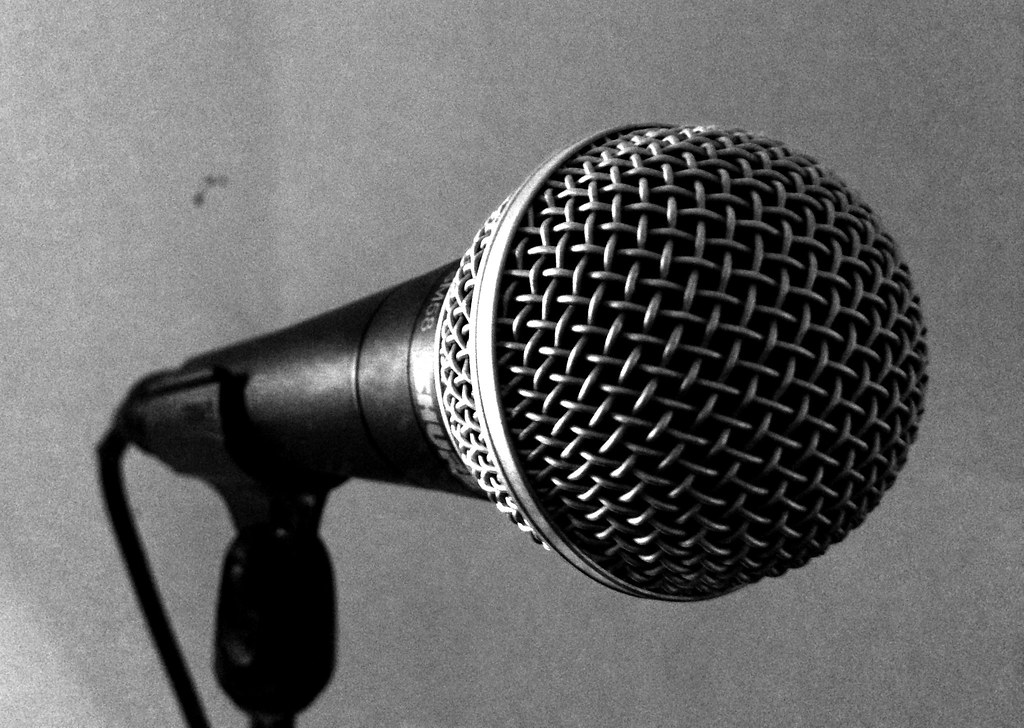
1. Sensitivity and Detail
Dynamic Microphones: Less sensitive, best for loud sources.
Condenser Microphones: More sensitive, great for capturing fine details.
2. Durability
Dynamic Microphones: Highly durable, resistant to drops and rough handling.
Condenser Microphones: More fragile due to delicate components.
3. Power Requirements
Dynamic Microphones: No external power required.
Condenser Microphones: Needs phantom power (48V) to function.
4. Price Range
Dynamic Microphones: Generally more affordable.
Condenser Microphones: Tends to be more expensive.
5. Best Use Cases
| Application | Best Choice |
|---|---|
| Live Vocals | Dynamic |
| Studio Vocals | Condenser |
| Drums | Dynamic |
| Acoustic Guitar | Condenser |
| Podcasting | Dynamic (if untreated room), Condenser (if treated) |
| Broadcasting | Dynamic |
| Instrument Amplifiers | Dynamic |
| Classical/Orchestral Recording | Condenser |
Which One Should You Choose?
Choosing between a dynamic and condenser microphone depends on your intended use:
For live performances: Dynamic microphones are the best choice due to their durability and ability to handle loud sound sources without distortion.
For studio recording: Condenser microphones provide superior sound detail and are the preferred choice for vocals and acoustic instruments.
For podcasting and broadcasting: Dynamic microphones like the Electro-Voice RE20 are excellent in untreated rooms, while condenser microphones are great for controlled environments.
For instrument recording: Drums and electric guitar amps benefit from dynamic mics, while acoustic instruments shine with condenser mics.
Final Thoughts
Both dynamic and condenser microphones have their place in the audio world. Understanding their differences helps ensure you pick the right mic for your needs. Whether you’re rocking a stage, recording vocals in a studio, or hosting a podcast, the right microphone makes all the difference.
Do you prefer dynamic or condenser microphones? Share your thoughts in the comments below!