
When I first got into collecting vinyl, I was fascinated by how something as simple as a spinning disc could fill a room with music. That curiosity led me to learn everything I could about one question: how did record players work? As a musician and someone who lives and breathes sound, understanding the mechanics behind this vintage marvel gave me a whole new respect for the art of recording.
Let’s break it down in simple terms.
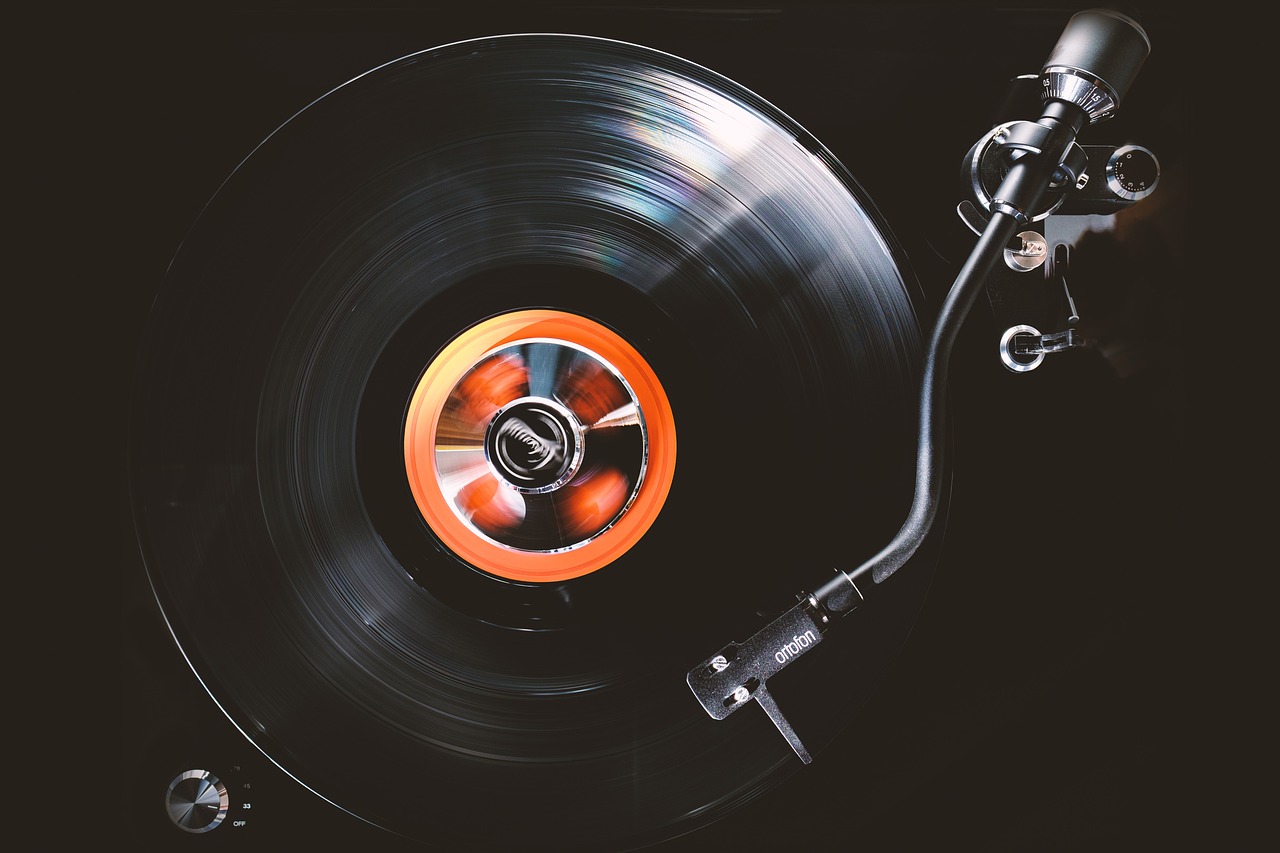
The Groove That Started It All
At the core of a record player’s magic is the groove. If you look closely at a vinyl record, you'll see a long, spiral groove that winds from the outer edge toward the center. That groove isn’t just a line—it’s a physical representation of sound waves. The bumps and dips carved into the vinyl encode the music’s amplitude (volume) and frequency (pitch).
This blew my mind. Imagine actually seeing the shape of a song carved into a piece of plastic. That’s the analog world for you—real, raw, and physical.
The Needle That Reads the Music
The next piece of the puzzle is the stylus, or as most people call it, the needle. It’s a tiny diamond- or sapphire-tipped piece that sits in the groove as the record spins. As the groove moves beneath it, the needle vibrates in response to those bumps and dips.
These vibrations are incredibly subtle—but they’re the key to everything.
From Vibration to Sound: The Cartridge
The stylus is connected to a cartridge, which is where the real magic happens. Inside the cartridge are tiny magnets and coils. As the stylus vibrates, it moves a magnet (or a coil, depending on the design), creating an electrical signal. This process is known as electromagnetic induction.
In short: the record player turns the groove’s bumps into vibrations, and the cartridge turns those vibrations into a signal. It’s simple, elegant, and beautifully analog.
Amplifying the Signal
The signal coming from the cartridge is super quiet—way too soft to hear on its own. That’s where a phono preamp comes in. It boosts the signal and applies something called RIAA equalization to balance the sound.
Once amplified, the signal is ready to be sent to a speaker system, where it finally becomes the music we know and love.

Why It Still Matters Today
I know we live in a digital age—streaming, auto-tune, AI mastering—but for me, there’s nothing like putting a record on the turntable, dropping the needle, and hearing that warm, organic sound. Understanding how record players worked made me appreciate their place in music history even more. Every spin is a physical interaction between man, machine, and music.
I’ve even taken inspiration from vinyl’s rawness and applied it to my own music. When I recorded my track “Mistakes,” I ran the mix through tape emulation and analog gear to capture that same gritty vibe. There’s something about imperfection that feels real—and vinyl celebrates that.
Final Thoughts
So, how did record players work? They transformed microscopic bumps in a plastic groove into full, vibrant sound—no screens, no downloads, no Bluetooth. Just physics, craftsmanship, and pure music.
If you're new to vinyl, I highly recommend diving into this world. It might just change the way you experience music forever.