
Built-in reverb is one of the most useful amp features for guitarists who want great tone without a crowded pedalboard. Here's what to look for and the amps worth considering.
Before I get into specific amps I want to say something about reverb that applies to this whole conversation. I use reverb conservatively in my own playing and production. My philosophy is that the listening environment already adds natural reverb to whatever you are playing, which means the reverb in your amp is doing additive work on top of acoustics that are already there. A little goes a long way. The best built-in reverb gives you control and subtlety, not just volume of effect.
With that said, built-in reverb is genuinely useful. It saves pedalboard space, it gives you immediate access to a natural-feeling ambient dimension without running a separate effects chain, and in tube amps specifically the spring reverb has a warmth and organic quality that digital pedal reverb often does not fully replicate. Here is what I actually think about the amps worth considering.
What Kind of Reverb You Are Actually Getting
Not all amp reverb is created equal and understanding the difference matters before you spend money.
Spring reverb is the classic. It uses physical coiled springs inside the amp to create the effect. When audio passes through the springs, the physical vibrations are picked up and blended back into the signal. The result has a distinctive splashy, slightly bouncy character that is immediately recognizable if you have ever heard vintage surf or blues recordings. Fender has been putting spring reverb in their amps since the 1960s and the best versions of it have a warmth and responsiveness that digital simulation has not fully caught up to. The interaction between a tube amplifier's circuit and its built-in spring tank is part of why certain amps just sound right in a way that is hard to quantify.
Digital reverb in amps ranges from serviceable to genuinely excellent depending on the manufacturer and the price point. Modern modeling amps and higher-end solid-state designs can offer multiple reverb types, room, hall, plate, spring simulation, with more flexibility than a single spring tank provides. The tradeoff is character. Digital reverb tends toward cleanliness and consistency rather than the organic interaction you get from a real spring tank.
The practical consideration is this: if you play styles where reverb is a core part of your sound, surf, ambient, certain indie and alternative styles, spring reverb in a tube amp is worth paying for. If reverb is supplemental to your tone and you value flexibility, a good digital reverb in a modeling amp will serve you better.
This is the amp I would point most players toward first if they want real spring reverb in a package that is genuinely giggable and affordable. The Blues Junior IV is a 15-watt all-tube combo with a single 12-inch speaker and Fender's classic spring reverb built in. The reverb on this amp has the warmth and depth you expect from a tube-driven spring tank without the size and weight of the larger Fender models.
For blues, country, indie rock, and the cleaner side of alternative guitar work this amp delivers tones that are immediately musical. The spring reverb sits naturally in the amp's voice rather than feeling like an add-on. At practice volumes it is excellent. At small gig volumes with the master pushed it develops a light, natural breakup that works well for rhythm work.
The limitation is wattage. Fifteen watts through a single 12 is appropriate for most small venues and all studio and home use. If you are playing medium or large stages without direct out support you will need something bigger.
The Fender 65 Princeton Reverb Reissue
This is the more premium version of the small Fender reverb amp and it is one of the most recorded guitar amplifiers in history for good reason. The original 65 Princeton Reverb is on more studio recordings than most people realize because it is small enough to put a microphone on at any volume and produces a tone that sits beautifully in a mix without requiring significant EQ work.
The reverb on the Princeton is tube-driven spring, which means the reverb circuit is powered by the amp's tubes rather than a separate solid-state circuit. That distinction produces a depth and warmth that is genuinely different from most other spring reverb implementations. It is one of the few cases where the technical description and the listening experience line up directly: it sounds like the reverb is coming from inside the amp rather than being added to it.
For studio recording and players who prioritize tone above all other considerations this is worth the investment. For gigging without direct out support the twelve watts is a real limitation depending on the venue.
If you want built-in reverb across multiple types, room, hall, spring, plate, and the flexibility to switch between them, the Katana 50 is the best value option in the solid-state and modeling category. The digital reverb quality in this amp is genuinely good, significantly better than what most similarly priced modeling amps were producing a decade ago. The amp modeling section is also strong enough that many players use the Katana as their only amp for both practice and small gigs.
For a guitarist who plays across multiple styles and wants one amp that handles all of them with quality built-in reverb at each setting, the Katana 50 makes a compelling case. It does not have the organic spring tank character of a real tube amp but what it does have is versatility and reliability at a price that leaves budget for other things.
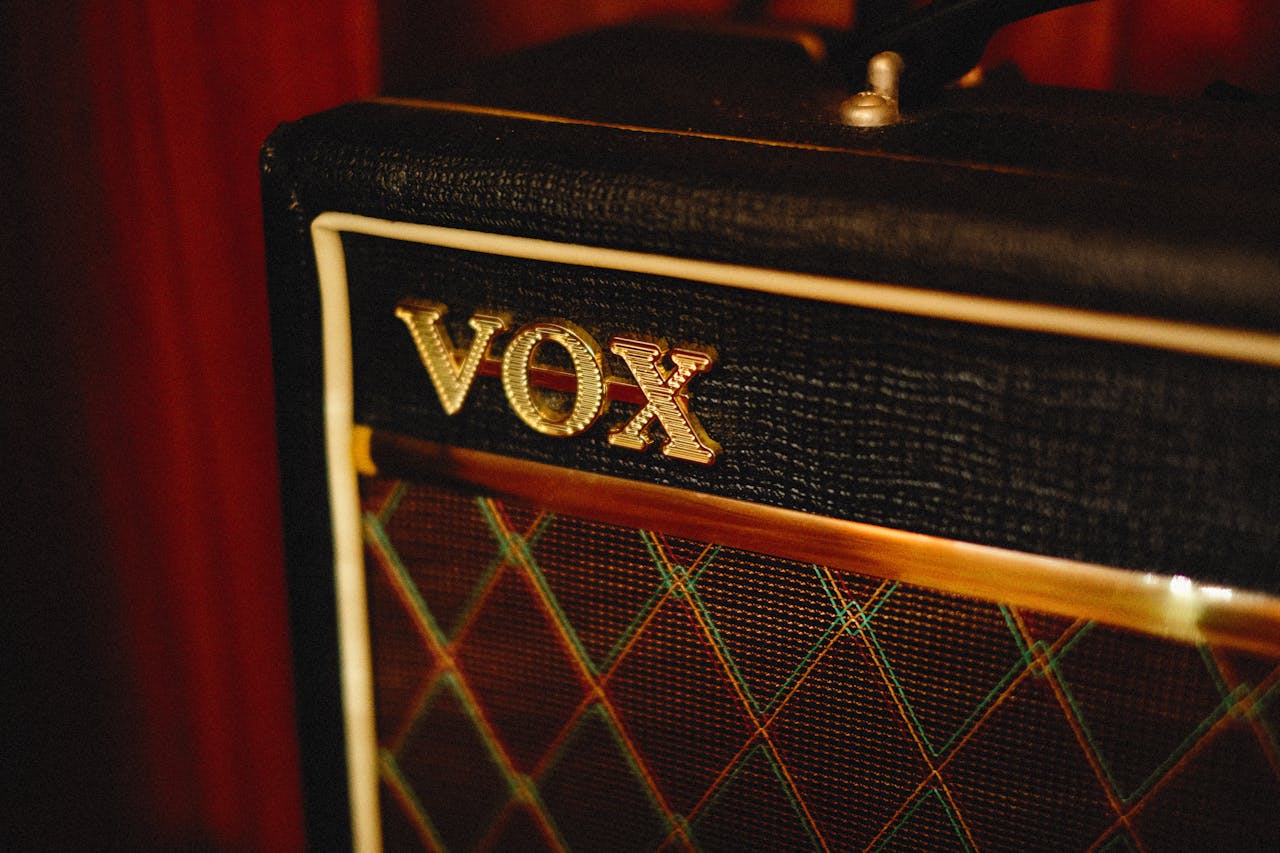
The Vox AC15 occupies a specific tonal universe that is distinct from Fender. The chiming top end, the harmonic compression as the amp gets pushed, the British character in the midrange: these are sounds that Fender does not make regardless of settings. The AC15C1 includes digital reverb rather than spring, which is a tradeoff compared to some players' preferences, but the reverb implementation is smooth enough that it does not feel out of place in the amp's voice.
For indie, shoegaze adjacent tones, and the cleaner side of British-influenced rock this is a genuinely excellent amp. The reverb works best used lightly here because the amp's natural character already has a sense of space and dimension that heavy reverb competes with rather than enhancing.
This is a different category from the amps above. The THR series is designed for home and desktop use, not for gigging, and the reverb quality in the THR30II is studio-grade digital processing in a compact form factor. USB recording output, Bluetooth connectivity, and excellent tone modeling make it one of the best practice and home recording tools available.
For players who need a quality home practice amp with built-in reverb and direct recording capability without any additional interface work, this is worth serious consideration. The reverb is flexible, sounds good in recordings, and the overall amp voice is convincing enough for demo and scratch track work.
How to Actually Use Built-In Amp Reverb
My consistent recommendation, which comes from the same philosophy I apply in the studio, is to set the reverb control lower than feels natural and then bring it up only if something is clearly missing. Most players, myself included when I first started dialing in reverb, default to amounts that sound impressive in isolation and muddy in context.
The reverb on an amp is most useful when it adds a sense of space and natural room dimension without being audible as a distinct effect. When you can clearly hear the reverb tail your reverb is probably too high. When the guitar just sounds like it exists in a room rather than being recorded completely dry, you have found the right amount.
If reverb is a central part of your sound rather than a supporting element, dial it to where it needs to be for that sound and own that choice. But understand that you are making a stylistic decision about the role of reverb in your tone rather than just adding space.
If you want to hear how I balance guitar tone and reverb in finished recordings, my music is at tonyosomusic.com/music. The guitar work on Mistakes and Identity reflects the approach I am describing here, enough space to feel natural, not enough to wash out the character of the instrument.
If you want to back up and learn more about reverb and more gear, check out my post on reverb.