
Glam metal, often referred to as "hair metal," is a subgenre of hard rock and heavy metal that dominated the 1980s. Known for its flashy, over-the-top fashion, catchy melodies, and energetic performances, glam metal left a permanent mark on the rock landscape. While critics sometimes dismissed the genre as being too commercial or superficial, glam metal’s enduring popularity proves it offered much more than just glitz and glam.
Origins of Glam Metal
Glam metal traces its roots back to the 1970s, combining elements of classic rock, heavy metal, and the glam rock movement spearheaded by artists like David Bowie and T. Rex. What set glam metal apart was its embrace of both the musical heaviness of metal and the flamboyant, glamorous aesthetic of glam rock.
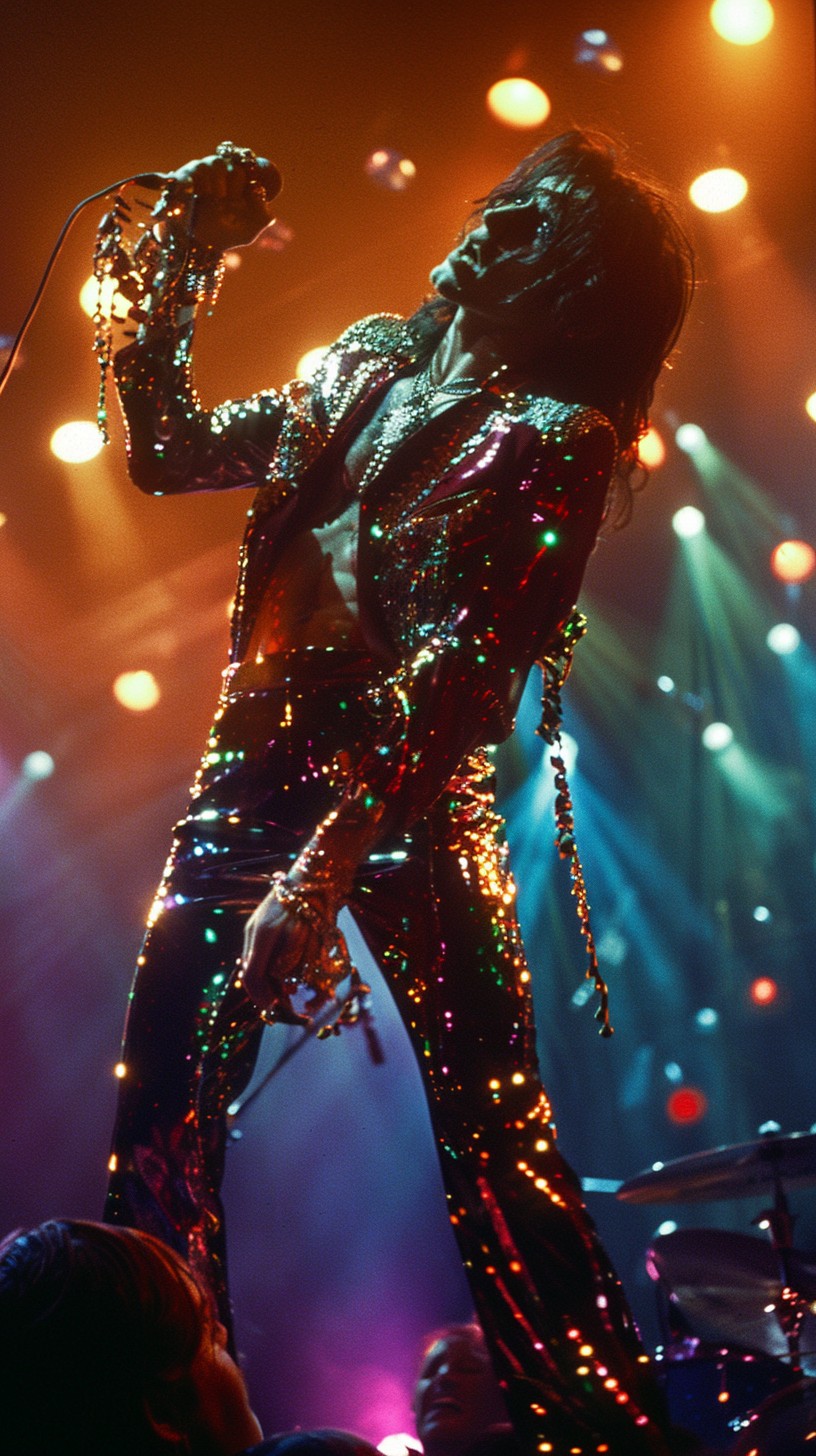
The genre exploded in the early 1980s, particularly on the Sunset Strip in Los Angeles. Bands like Mötley Crüe, Poison, and Ratt were pioneers in this new sound and style, blending heavy guitar riffs, shredding solos, and pop-influenced melodies. What truly defined glam metal was the visual spectacle: big hair, colorful outfits, and makeup that blurred the lines of traditional masculinity.
Glam Metal's Defining Characteristics
Musically, glam metal is built around hard-hitting guitar riffs, anthemic choruses, and flashy guitar solos. Bands typically emphasized a high-energy, party-like atmosphere in their songs, with lyrics that often revolved around themes of excess, love, partying, and rebellion. The genre's emphasis on catchy hooks and memorable melodies made it highly accessible to mainstream audiences, leading to significant radio and MTV airplay.
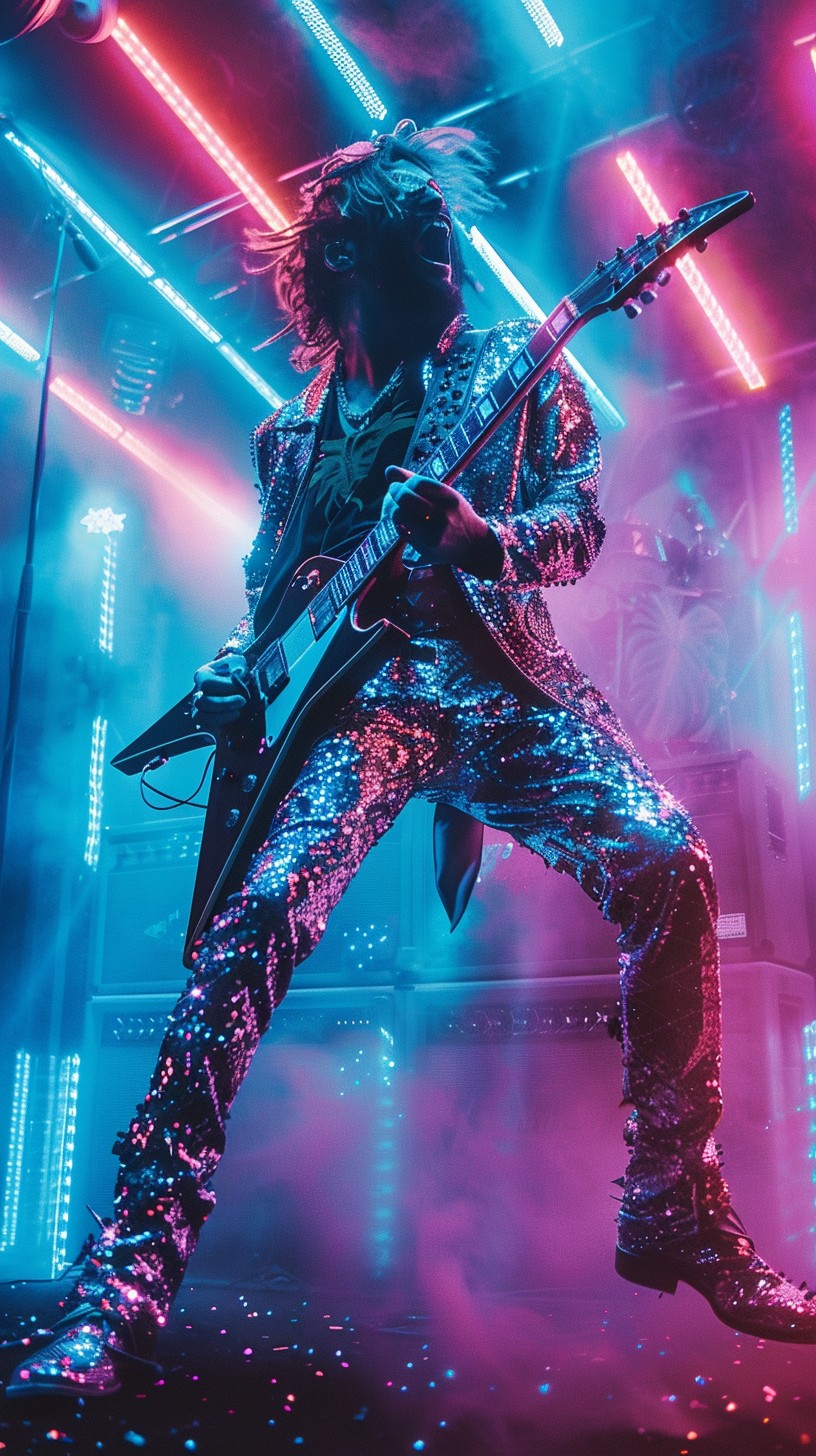
However, glam metal was as much a visual movement as it was a musical one. The outrageous fashion—tight leather pants, teased hair, and face paint—was just as important as the music. Artists cultivated a larger-than-life persona, designed to be eye-catching and rebellious, but with a sense of fun and excess.
Iconic Glam Metal Bands and Songs
Numerous bands rose to fame during the glam metal era, with several producing songs that are now considered rock anthems. Some of the most notable acts include:
Mötley Crüe – "Girls, Girls, Girls"
This song is a quintessential glam metal track, celebrating the fast-paced, rebellious lifestyle that many glam bands were known for. It features a catchy chorus, heavy guitar work, and the signature swagger of frontman Vince Neil.
Poison – "Every Rose Has Its Thorn"
While glam metal was typically known for its high-energy tracks, Poison showed the genre's softer side with this power ballad. The song’s emotional lyrics about heartbreak made it one of the most famous glam metal ballads of all time.
Def Leppard – "Pour Some Sugar on Me"
A staple of glam metal and '80s rock, this track showcases the genre’s ability to fuse heavy riffs with an infectious, pop-influenced chorus. Def Leppard mastered the art of making metal accessible to mainstream audiences, and this song is a prime example of that.
Twisted Sister – "We’re Not Gonna Take It"
One of the most iconic rebellious anthems, this Twisted Sister track epitomizes the defiant, anti-establishment attitude that was prevalent in glam metal. The song’s call for independence resonated with fans and made it an enduring symbol of youthful rebellion.
Ratt – "Round and Round"
This song is one of the defining tracks of the glam metal movement. Its combination of catchy, sing-along chorus and powerful guitar work helped it become one of Ratt’s most successful hits and a staple of '80s rock radio.
Glam Metal's Cultural Impact
The 1980s was a time of economic prosperity and excess in the United States, and glam metal embodied that sense of decadence and larger-than-life personas. The genre’s focus on partying, love, and hedonism mirrored the attitudes of many during this period. MTV played a significant role in glam metal's rise, as the genre's colorful and extravagant image was tailor-made for the music video era.
Glam metal was not without its critics, though. Some accused the genre of being too focused on style over substance, with bands more concerned with their look than their musicianship. Others felt that the lyrics were often shallow, focusing too heavily on partying and excess.
By the early 1990s, glam metal began to fall out of favor as the music scene shifted. The rise of grunge, with its darker, more introspective themes, and stripped-down aesthetic, marked a stark contrast to the glitzy, hedonistic world of glam metal. Bands like Nirvana, Pearl Jam, and Soundgarden became the new face of rock, and glam metal’s popularity quickly waned.
Legacy of Glam Metal
Despite its decline in the '90s, glam metal's influence can still be felt today. Many of the genre's most successful bands continue to tour, drawing large crowds of devoted fans. Bands like Mötley Crüe, Poison, and Def Leppard have enjoyed successful reunion tours, and their music continues to be a staple of rock radio stations.
Moreover, glam metal paved the way for later genres that mixed heavy music with pop sensibilities, such as pop-punk and post-hardcore. Its emphasis on spectacle, theatrics, and style also influenced the development of other visually driven genres, including nu-metal and even certain aspects of modern pop music.
In retrospect, glam metal was much more than just a passing trend. It was a genre that captured the spirit of the times, blending heavy music with a fun, carefree attitude and a sense of flamboyant style. For many fans, glam metal remains a symbol of one of rock's most fun and energetic eras, a time when music was just as much about having a good time as it was about musicianship.
Conclusion
Glam metal may have been flashy, excessive, and sometimes dismissed as superficial, but it produced some of rock's most enduring songs and left an indelible mark on the music world. From the rebellious anthems of Twisted Sister to the power ballads of Poison, glam metal's legacy lives on, reminding us that music can be both loud and fun while still leaving a lasting impression.
With unforgettable songs, larger-than-life personalities, and a lasting influence on both music and fashion, glam metal continues to hold a special place in rock history. The genre’s glittering energy and infectious spirit remain an essential chapter in the evolution of rock and metal.